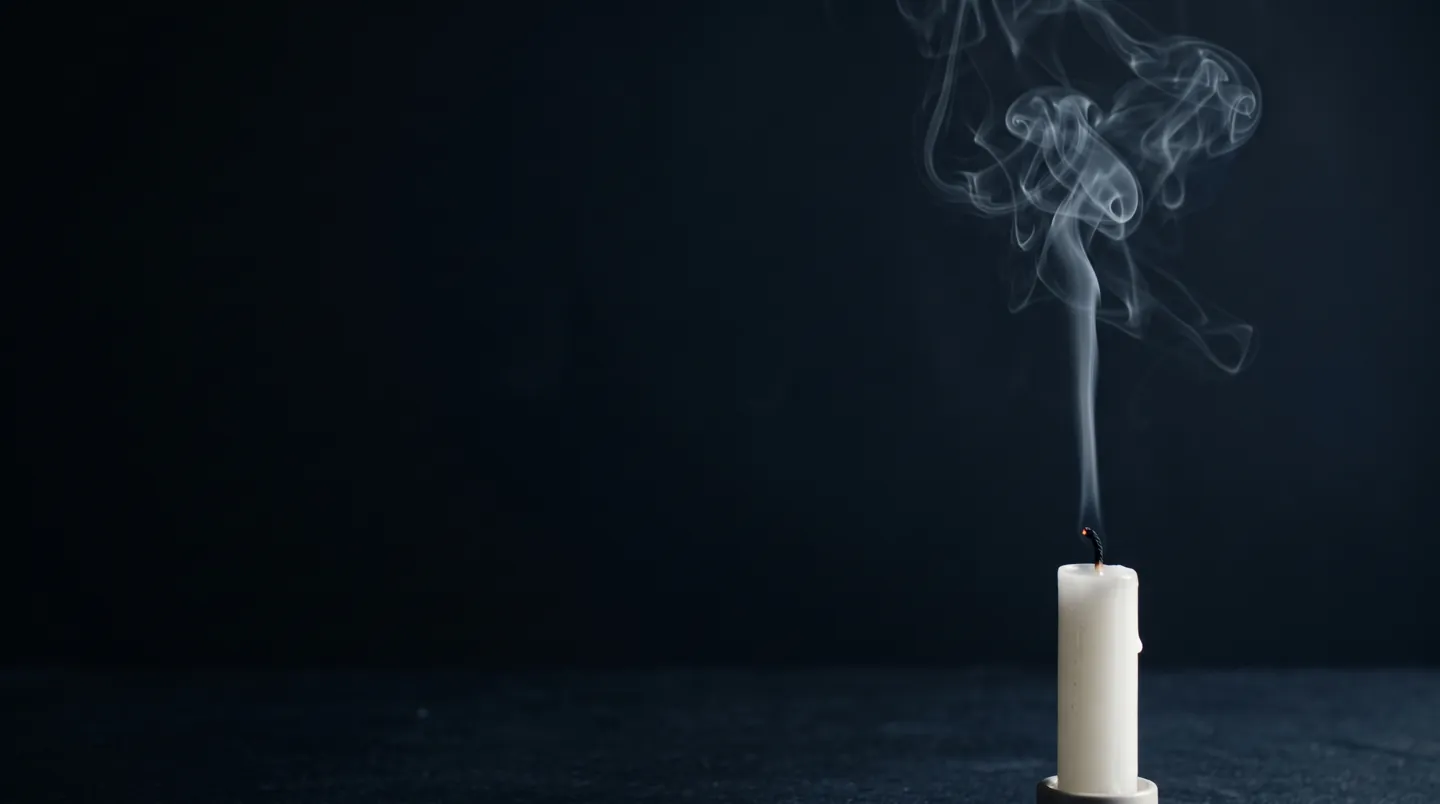
For the first few centimetres it rises in a tidy thread. Then it wobbles and breaks into eddies. That switch, from laminar to turbulent flow, happens in air, water and pipes all around us.
The Reynolds number compares a flow's push (speed and size) with its stickiness (viscosity). Pick a value for water in a straight pipe to see what research says happens.
Pipe-flow values from Reynolds' 1883 experiment and later measurements, as summarised in reference works. Real pipes vary with entry and roughness.
TWO NUMBERS WORTH KNOWING
When smooth stops being smooth.
One range from the original pipe experiment, one from wind-tunnel work on golf balls.
2,000–13,000
Reynolds numbers where the switch happened
Reynolds found the transition from laminar to turbulent flow between about 2,000 and 13,000, depending on how smooth the entry conditions were.
PIPE FLOW · REYNOLDS, 1883
up to 50%
Drag cut by dimples on a sphere
Researchers at Seoul National University note that dimples can reduce drag on a sphere by as much as 50 percent compared with a smooth surface.
GOLF BALLS · PHYSICS OF FLUIDS, 2006
The dimple effect works because a little turbulence in the thin boundary layer helps the air cling to the ball for longer, which shrinks the turbulent wake behind it (University of Illinois Physics Van; Choi, Jeon and Choi, 2006).
FOUR PLACES TO SEE IT
Turbulence, close to home.
You do not need a lab. These are everyday places where the switch from smooth to swirling is easy to watch.
Blow out a candle
Watch the smoke: a straight thread for the first few centimetres, then curls and eddies as the plume grows.
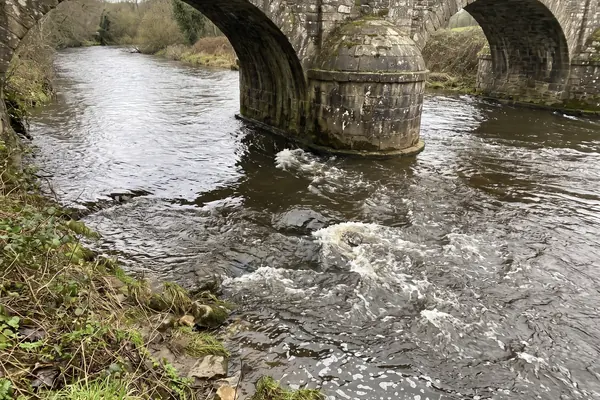
Stand on a bridge
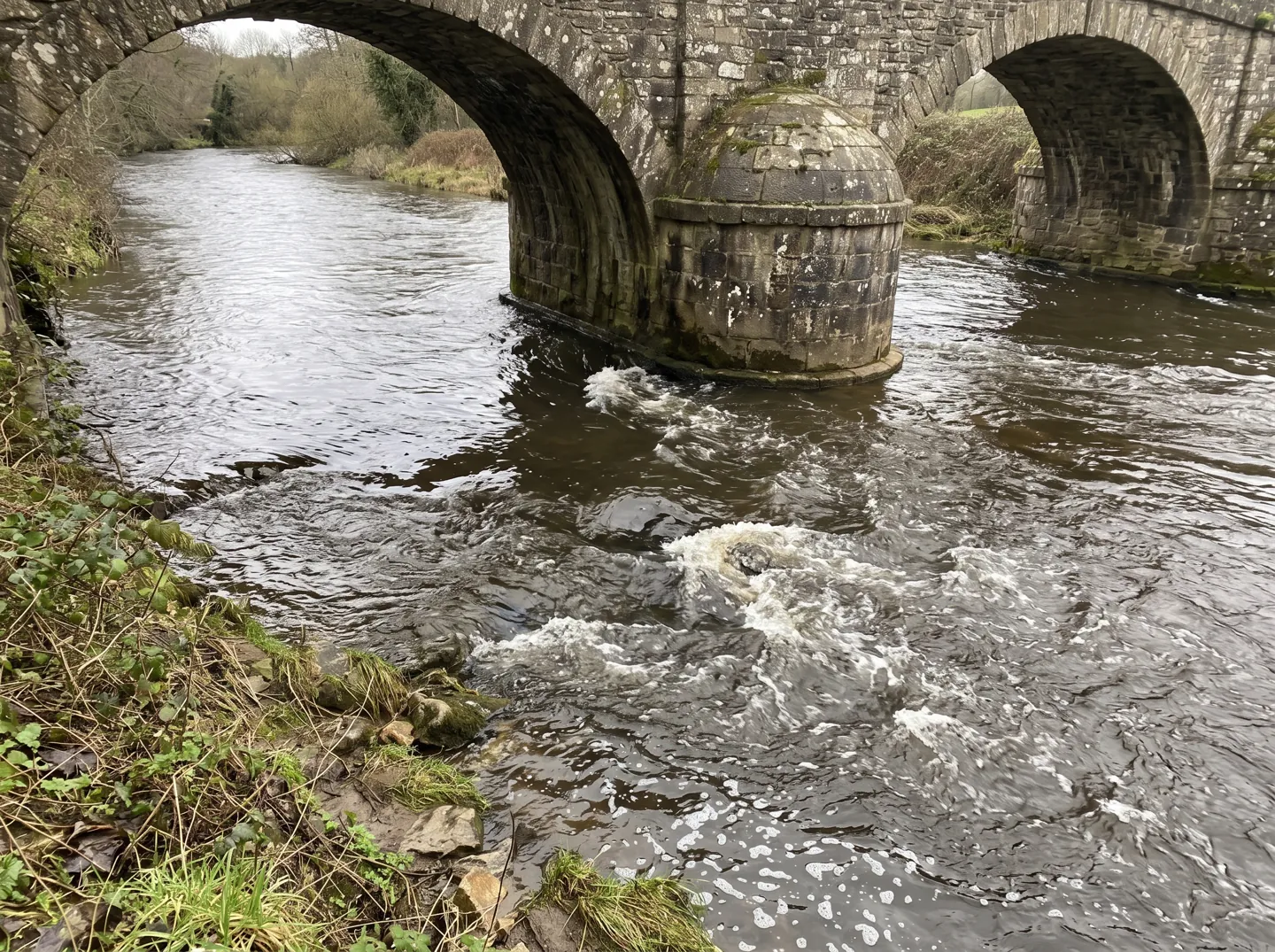
Compare the water upstream of a pier with the swirls behind it. Faster water makes more of them.
Look at a golf ball
The dimples stir a thin layer of air so it hugs the ball longer and leaves a smaller wake.
Watch clouds and surf
Billowing storm clouds, breaking surf and chimney smoke are all everyday turbulence.
AI-generated image, not a photograph of a real person or place.AI-generated image, not a photograph of a real person or place.
WHIRLS INSIDE WHIRLS
Big eddies make little ones.
Richardson pictured turbulence as eddies of many sizes: large ones are unstable and break into smaller ones, handing their energy down until the eddies are so small that viscosity turns it into heat.
Leonardo da Vinci drew the same restless patterns around 1510 to 1512, sketching the rings, spirals and bubbles of water falling from a sluice into a pool. A full description of turbulence is still counted among the unsolved problems in physics.
Questions
Questions people ask
What is laminar flow?
Laminar flow is when a fluid moves in smooth, parallel layers with no disruption between them. It happens at low Reynolds numbers, where the fluid's stickiness (viscosity) dominates.
What is the Reynolds number?
A dimensionless number that compares inertial forces with viscous forces in a flow. NASA gives it as speed times a length scale divided by the kinematic viscosity. Low values mean viscosity matters; high values mean it matters much less.
Why do golf balls have dimples?
Dimples add a little turbulence close to the ball's surface. That helps the air stay attached for longer, so the turbulent wake behind the ball is smaller and drag falls, by as much as 50 percent in wind-tunnel work.
Who discovered the switch to turbulence?
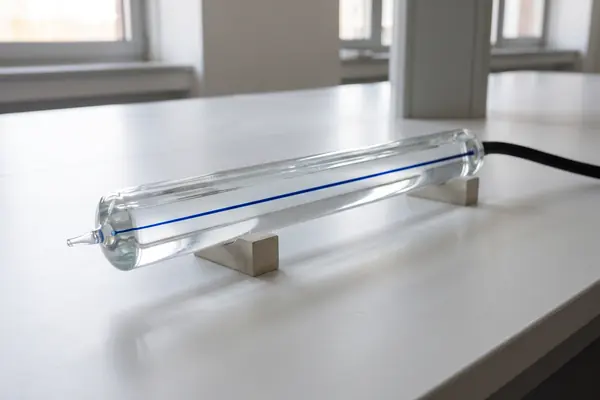
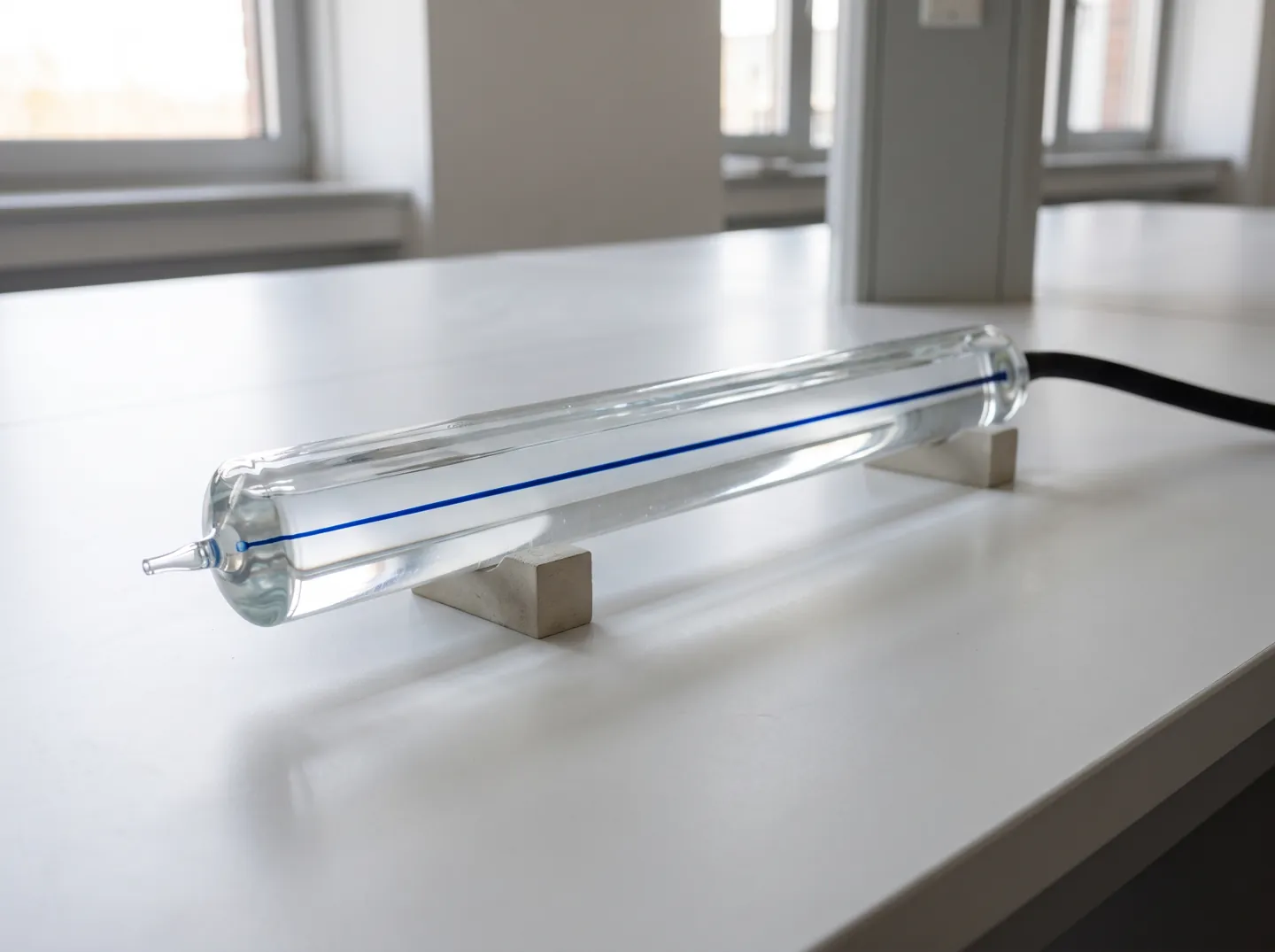
Osborne Reynolds showed it in 1883 at what is now the University of Manchester, by sending a thin jet of dyed water through a glass pipe and changing the flow speed.
Is turbulence fully understood?
No. Physicists can predict when it is likely to start, but a complete description of turbulence remains an unsolved problem. Richard Feynman called it the most important unsolved problem in classical physics.